The source of fresh water in Kiunga is rainwater harvesting. Kiunga community Wildlife Association (KICOCO) in partnership with NRT and Give power Foundation recently installed a solar powered desalination plant in Kiunga village that has capacity of producing 70,000 liters of fresh water a day. Other water sources are boreholes and shallow wells that are all salty except a shallow wells Ashuwei that has fresh water.
Trees and forest products
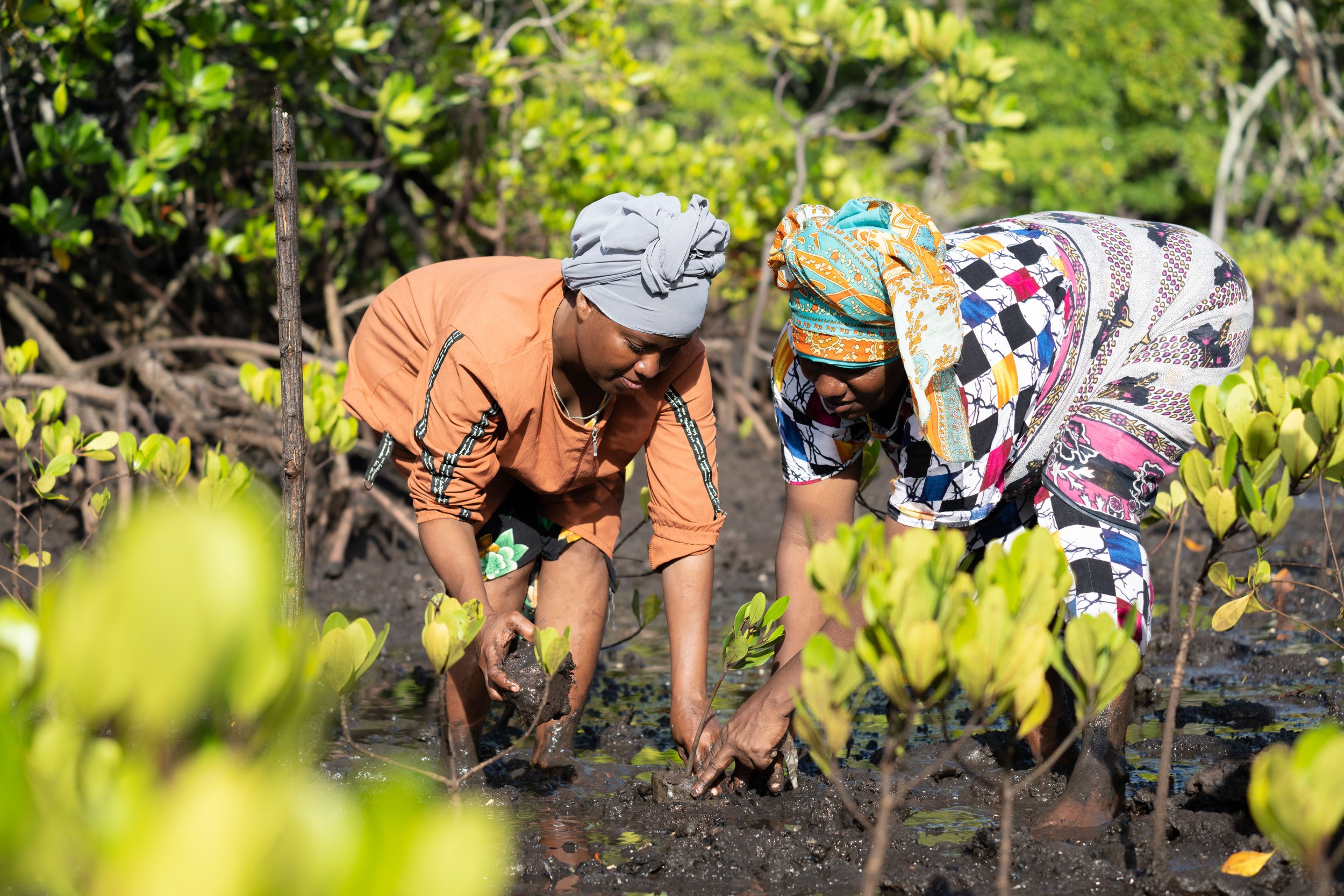
Kiunga Community conservancy (KICOCO) has both mangrove and terrestrials’ forests. The common terrestrials tree species include Mbambakofi (Afzeila quanzensis), Mwangati (Terminalia spinosa), Mkilifi (Azadracha digitata), Munga (Acacia torttilis), Mbuyu (Adonsonia digitata), Mtetewe (Acacia nilotica), Mku (Diospyros spp), Mchumbi (Haplocoelum inoploeum), Mkunazi (Ziziphus spp), Mzambarau (Jacaranda mimosifolia), and variety of fruit tree species. Hardwoods are targeted for their timber for building, furniture and boat building as well as charcoal.
Wildlife
The terrestrial part is characterized by forest grassland mosaic that is of major importance to mammal conservation and holding important populations of predators and herbivores including endangered species such as lion (Panthera Leo), African wild dog (Lycaon pictus), Ader’s duiker (Cephalophus adersi) and a small population of elephant (Loxodonta Africana). Other wildlife species include cheetahs, spotted and striped hyenas, buffalos, lesser kudu ,waterbuck, hippo, caracal, jackal and numerous species of birds and reptiles.
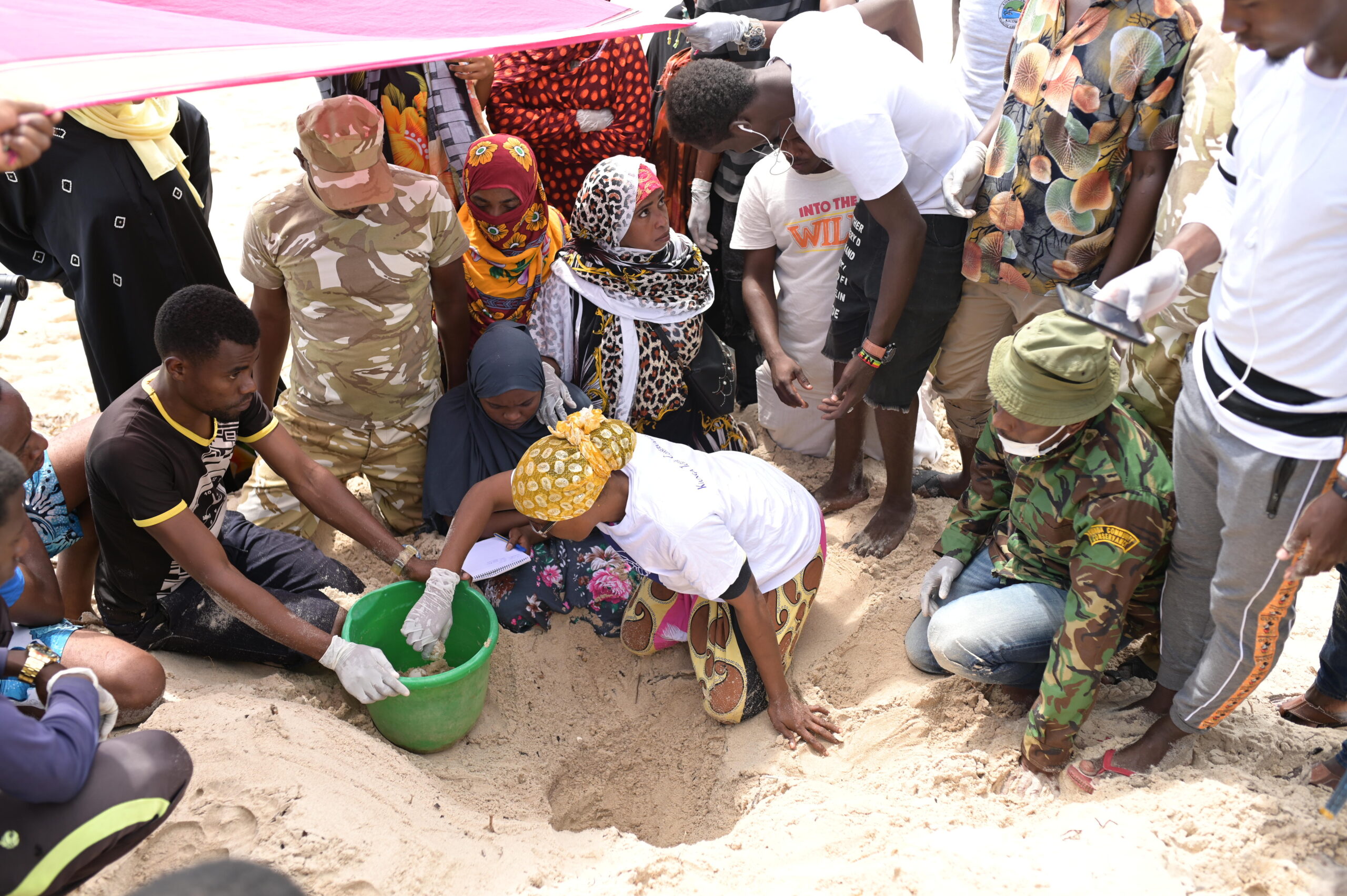
The coastline is endowed with unique habitats, diverse marine wildlife and rich fisheries including resident and migratory species making it an important global biodiversity site that also provides an important source of livelihoods and food security to the local communities. Five species pf sea turtles (all – classified as endangered or critically endangered) occurs within Kiunga waters with three species known to nest on beaches along this Kiunga coast; Green (Chelonia mydas), Hawksbill (Eretmochelys imbricate) and Olive Ridley (Liposcelis olivacea) turtles while Loggerhead (Caretta caretta) and leatherback (Dermochelys coriacea) turtle forage and migrate through the area. Kiunga also host exceptional concentrations of water birds, cetaceans and elasmobranchs as well as very small population of Dugongs (Dugong Dugon,) one of the last remaining populations in east Africa.
Other Marine Resources
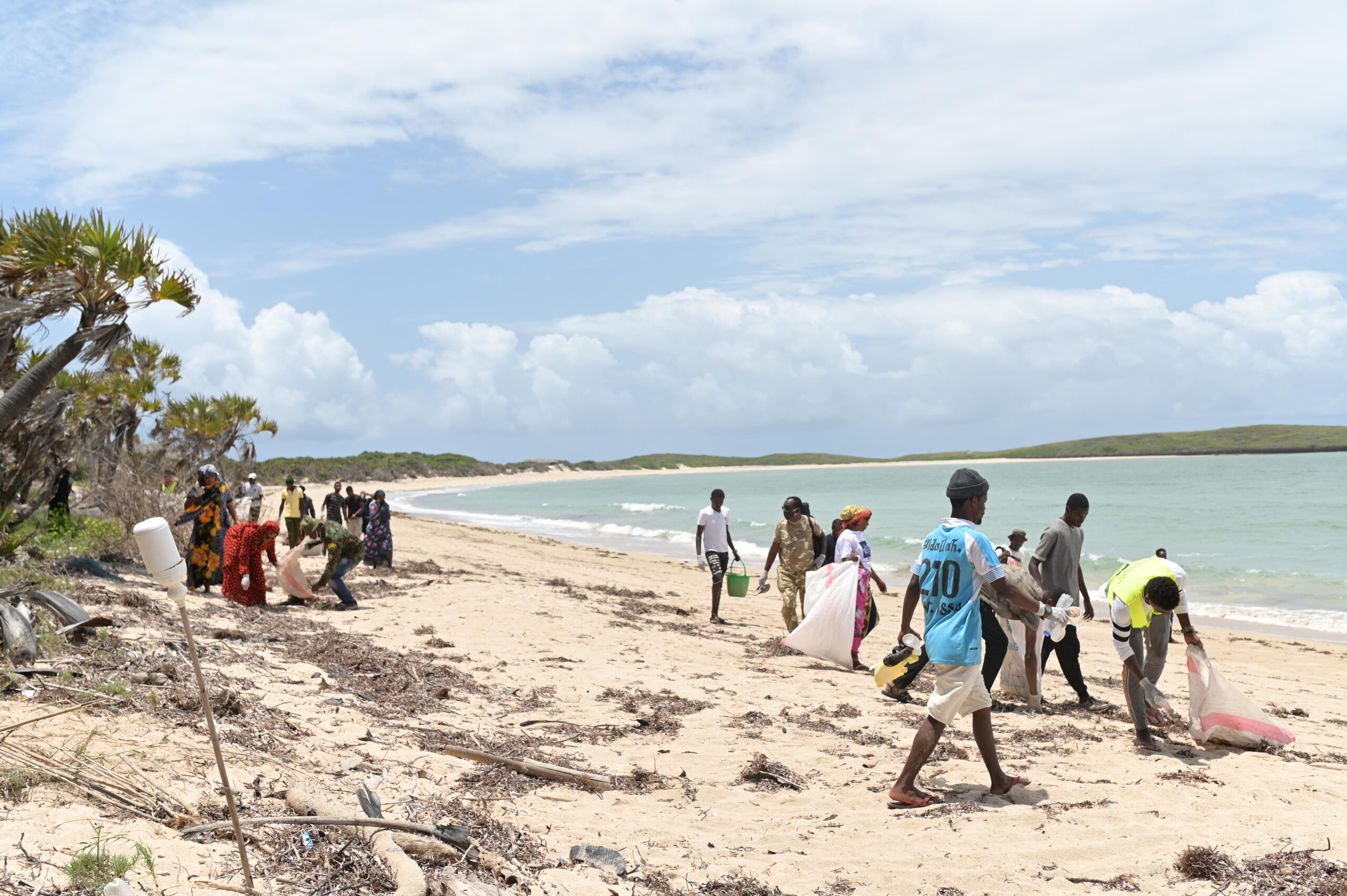
Kiunga coastline has other unique habitats, beaches, dunes, coral reefs, sea grass beds, and deep waters offshores. The beaches and sand dunes are important nesting sites for marine turtles. The coral reefs system which occurs at the convergence of the cold upwelling of the Somalia current, bring a unique mix of coral and fish species which combine Arabian Gulf with East Africa Species, including rare and endemic species not seen elsewhere in East Africa.
About Us
Kiunga Community Conservancy (KICOCO) is one of the forty- three (43) community conservancies under the umbrella of NRT, located in Lamu county at the northernmost part of the Kenyan coast, bordering Somalia. It operates over an area of approximately 72,000 ha in Kiunga ward.